Top 8 Greenhouse Mistakes Homeowners Make & How to Avoid Them
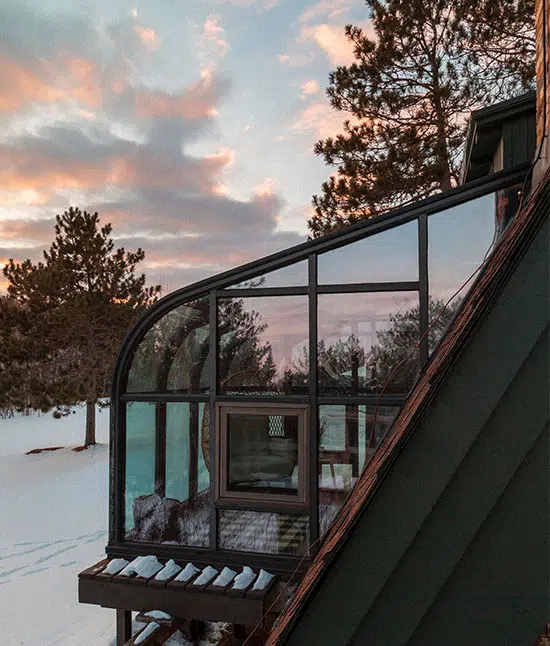
A greenhouse is more than a structure. It is a retreat. A place where light feels softer, air feels gentler, and the rhythm of growth becomes part of your daily life. When done well, a greenhouse allows you to enjoy year round gardening, resilient plants, and a calm space connected to nature. When done poorly, it becomes a struggle of temperature swings, pests, weakened plants, and ongoing repairs.
Most of the frustrations homeowners experience come down to a handful of avoidable mistakes. Placement, orientation, glazing quality, ventilation, humidity, and maintenance all influence the ecosystem inside your greenhouse. And while greenhouse kits or diy greenhouse builds may seem appealing at first, they rarely offer the insulation, durability, and architectural strength needed for predictable results.
With over seventy years of precision engineering, Florian Sunrooms has helped thousands of homeowners avoid these challenges by designing energy efficient greenhouses built for Canadian climates. Our structures offer remarkable clarity, dependable insulation, and tailored support from concept through installation. When the foundation is right, everything that follows becomes easier. A well designed greenhouse does not simply house plants. It creates an atmosphere where you enjoy spending time, where growth feels effortless, and where the seasons move at a slower, more intentional pace.
Below are the top greenhouse mistakes homeowners make and how to avoid them with thoughtful planning and reliable support.
1. Choosing the Wrong Site for Your Greenhouse
The right placement determines how well a greenhouse performs long term. Too much shade limits growth, while too much sun creates heat stress. An east or south facing orientation typically offers the most balanced daylight. Surrounding elements like fences, garages, and trees also influence shadow patterns that shift throughout the year.
Poor site selection affects air movement, heating needs, and accessibility. If your water supply is far from the greenhouse or if the structure sits on uneven ground, everyday care becomes inconvenient. Many homeowners also overlook wind exposure which can impact temperature stability. Even the way nearby surfaces such as brick walls or concrete patios reflect heat can influence internal temperature more than expected.
A greenhouse should fit naturally into your landscape. The best placements feel intuitive, easy to access, and visually pleasing when viewed from the home. When homeowners explore greenhouse placement and design with an expert like Florian Sunrooms, they uncover opportunities they may not have considered, such as slight realignments that vastly improve winter light quality.
2. Poor Light Management Throughout the Growing Season
Light is the greenhouse’s most influential resource. In winter and early spring, insufficient light slows growth and leads to leggy seedlings. In summer, overly intense sunlight causes scorching, heat buildup, and erratic plant behavior. Seasonal shifts require adaptable light management that keeps conditions steady.
Proper glazing helps moderate extremes while maintaining clarity. Shade provisions such as interior cloths or exterior screens regulate intensity during peak hours. Without these elements, plants become stressed, and homeowners often confuse the symptoms with watering or temperature issues.
Florian Sunrooms uses advanced glazing that improves brightness while filtering harsh radiation, giving plants consistent illumination without constant adjustments. Because different species respond uniquely to light duration and intensity, balanced glazing supports a wider range of crops, ornamentals, and seedlings.
For a practical overview of greenhouse lighting fundamentals, Perennia offers a greenhouse lighting fact sheet.
This creates a helpful framework for homeowners who want to maintain healthy light levels year round without compromising energy performance.
3. Inadequate Ventilation and Air Circulation
Proper ventilation is essential for a stable greenhouse climate. Without it, heat accumulates rapidly and humidity rises to levels that encourage fungal growth and plant stress. Stagnant air also attracts pests that thrive in still, warm environments.
A high quality greenhouse ventilation system balances temperature, reduces moisture, and improves air circulation. Roof vents, sidewall vents, and mechanical exhaust systems each play a role. Many growers use the principles outlined in UMass Amherst’s greenhouse ventilation guide, which explains how natural and mechanical systems work together to create consistent airflow patterns. Homes with basic kits or makeshift greenhouses often struggle with mold, wilted leaves, and extreme temperature shifts because airflow is insufficient.
At Florian Sunrooms, we incorporate multiple venting options into our designs. This ensures dependable climate stability even during Ontario’s warmest months. Good airflow supports vigorous plant growth and helps prevent environmental stress. Even subtle air movement strengthens leaves, reduces condensation, and improves nutrient uptake.
4. Incorrect Temperature and Humidity Management
Temperature and humidity shape the entire greenhouse ecosystem. High humidity limits transpiration and encourages fungal issues. Low humidity causes leaf stress and stalled growth. Fluctuating temperatures can shock plants, triggering leaf drop or slow development.
Energy efficient greenhouses prevent extreme temperature swings. Florian’s exclusive Sierra system delivers insulation that is up to two hundred percent more energy efficient than competing products. This reduces heating costs and maintains stable conditions for both tropical plants and hardy winter crops. A greenhouse that holds warmth predictably makes winter growing far more enjoyable, especially for citrus lovers or early seed starters.
Monitoring tools simplify climate control. Sensors for humidity, temperature, and soil moisture allow homeowners to make adjustments before problems escalate. Automated systems can even manage venting and shade adjustments, making the greenhouse feel self regulating. Even small improvements in stability lead to stronger, healthier plants.
Additional detail on how temperature and humidity interact to influence plant disease can be found in a University of Kentucky greenhouse environment guide.
5. Overcrowding and Poor Plant Selection
A greenhouse inspires enthusiasm, often leading homeowners to collect too many plants too quickly. Overcrowding limits airflow, shade distribution, and root space. It also increases the chances of pests spreading from plant to plant.
Some species thrive together while others require different temperatures, humidity ranges, or light levels. Mixing incompatible plants results in constant adjustments that disrupt the greenhouse ecosystem. For example, desert succulents and tropical ferns rarely flourish under the same conditions. Understanding the needs of each group helps create a balanced environment.
Thoughtful planning prevents these issues. Grouping plants by their needs creates predictable care routines and more consistent growth. Leave enough space for mature size and create walking pathways so daily care is comfortable. The more breathing room your plants have, the more they will reward you with healthy, steady growth.
A comprehensive outline of sanitation routines and cleaning practices is available through the University of Kentucky’s greenhouse sanitation publication.
6. Neglecting Regular Maintenance and Cleanliness
Greenhouses are controlled environments but they still require care. Dust, algae, debris, and mineral buildup on glazing reduce light transmission. Pests often hide in corners, and fungi begin in places that go unnoticed. Even small lapses in maintenance can quickly affect plant health.
A clean greenhouse is far less susceptible to issues such as aphids, whiteflies, black sooty mold, powdery mildew, and grey mold. These problems take hold when moisture lingers, standing water accumulates, or tools are stored while damp. Regular inspections help you spot early signs before they escalate. Natural pest control practices such as neem oil, insecticidal soap, and mesh netting help prevent infestations without disrupting the greenhouse ecosystem.
Consistent sanitation, reliable airflow, and steady humidity control reduce the risk of outbreaks significantly. When homeowners maintain glazing, check seals, clear debris, and avoid letting water pool beneath benches and trays, they create an environment where diseases and fungi struggle to grow. A greenhouse that is cared for regularly also ages more gracefully, with fewer repair needs and longer lasting clarity in the panels. These upkeep routines also support the long term value of your home, especially when a greenhouse is part of broader home renovation services that enhance both beauty and usability.
High quality materials make this process easier. Our greenhouses are engineered for long term durability which means fewer repairs, easier cleaning, and a healthier environment year after year. The more effortlessly a greenhouse performs, the more time homeowners spend enjoying it rather than maintaining it.
Oklahoma State University provides an accessible overview of integrated pest management strategies for greenhouse growers.
7. Uncontrolled Watering and Irrigation Practices
Watering is both essential and delicate. Too much water suffocates roots and encourages fungal growth. Too little stresses plants and reduces productivity. Temperature fluctuations also influence water needs which means consistency matters.
Automated irrigation systems offer stability. Drip lines, capillary mats, and controlled misting provide uniform moisture without guesswork. Many homeowners also overlook water quality. Mineral heavy water affects pH levels and can lead to nutrient imbalances over time.
Growers looking to compare irrigation styles such as drip, subirrigation, and overhead systems may appreciate UMass Amherst’s irrigation systems guide.
Greenhouse plants often grow more quickly than outdoor garden plants, which means their hydration needs shift rapidly. A system that monitors moisture at the root zone can prevent stress before it occurs. Even a simple moisture probe can make day to day care far more accurate.
Testing water once or twice a year helps keep fertilization predictable and prevents long term soil issues. This is especially important in enclosed environments where water does not move through soil the same way it does outdoors.
8. Mismanaging Soil Quality and Fertilization
Soil affects everything: drainage, root development, nutrient absorption, and overall plant strength. Many homeowners make the mistake of using garden soil inside the greenhouse. This leads to compaction, inconsistent moisture retention, and the introduction of pests and pathogens.
Greenhouse soil should be well draining, rich in organic matter, and refreshed regularly. Over time, salts accumulate and can damage roots. Balanced fertilization is equally important. Too much fertilizer can burn plants. Too little prevents proper growth. Soil mixes designed for greenhouse environments maintain aeration while reducing disease pressure.
Investing in high quality soil mixes and monitoring nutrient levels creates predictable conditions. A greenhouse works best when the soil remains loose, healthy, and nutrient stable. Replacing or rejuvenating soil each season also helps maintain long term fertility and reduces pest cycles.
Soil testing methods and interpretation guidelines are outlined clearly in an Oklahoma State University fact sheet on greenhouse growth media.
If you still have questions, our team can walk you through common questions about greenhouses, climate control strategies, placement considerations, and long term care.
Why Greenhouse Quality Matters More Than Most People Realize
A greenhouse is a self contained ecosystem. The design, glazing, framework, and insulation all influence the internal climate and the long term success of your plants. When you begin with a structure engineered for energy efficiency and durability, everything becomes easier.
Florian Sunrooms specializes in creating energy efficient greenhouses that perform in every season. Each structure is engineered for Canadian climates, designed to withstand snow loads, and built with architectural intention. If you are exploring greenhouse extensions or building a conservatory in Ontario, expert support ensures the structure blends beauty with function.
Unlike basic greenhouses kit options, Florian offers clarity, stability, and long term performance. Our insulation system, customized venting, and high quality glazing elevate the growing experience far beyond standard diy greenhouse setups. Homeowners often describe the difference as immediate: fewer temperature swings, clearer glass, healthier plants, and a structure that feels like part of the home rather than an add on.
Our certified designers also guide clients through layout planning, glazing selection, permit support, and climate control options. The result is a greenhouse that feels effortless to use and stunning to enjoy. A well designed structure becomes a daily sanctuary, not just a seasonal project.
How to Avoid These Mistakes with Professional Greenhouse Design
Choosing a trusted partner ensures every detail works together. When you work with a team that understands structural engineering and horticultural design, you benefit from:
- Proper site evaluation
- Accurate structural load calculations
- Balanced light and shading
- Built in ventilation and airflow systems
- Stable temperature and humidity control
- Clear and durable glazing
- A greenhouse that integrates naturally with your home
If you want inspiration, explore the Florian Sunrooms greenhouse gallery to see how refined materials and thoughtful architecture create timeless spaces. Each project demonstrates what is possible when function meets elegance. The structures feel open, bright, and serene, creating a year round connection to nature. Whether used for gardening, reading, or quiet reflection, a greenhouse becomes a meaningful extension of the home.
Confidence Begins with Choosing the Right Greenhouse Partner
At Florian Sunrooms Toronto, our team has supported homeowners for generations by blending architectural beauty with horticultural precision. Our structures offer clarity, comfort, and durability, bringing a sense of calm and connection to nature that lasts through every season. With expert guidance from concept to installation, homeowners feel confident that their greenhouse will remain a cherished part of their home for decades.
If you are ready to create a greenhouse that supports your lifestyle and elevates your outdoor space, contact us to begin your project with a team that understands how to design for beauty, stability, and year round performance.