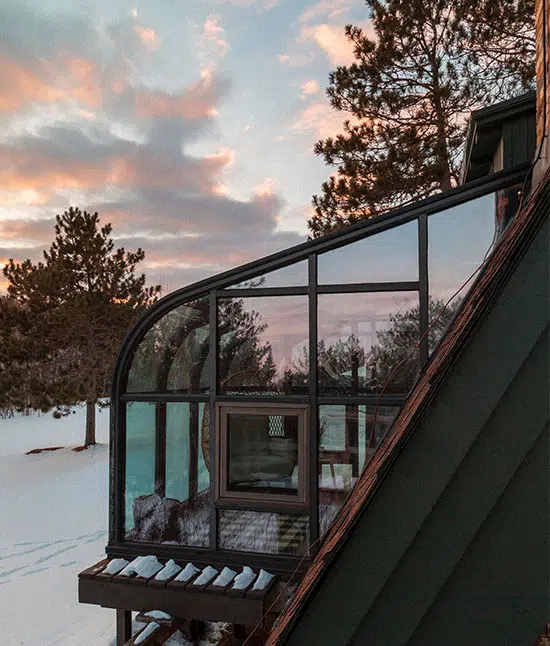
Choosing Glass That Enhances Your Sunroom or Solarium
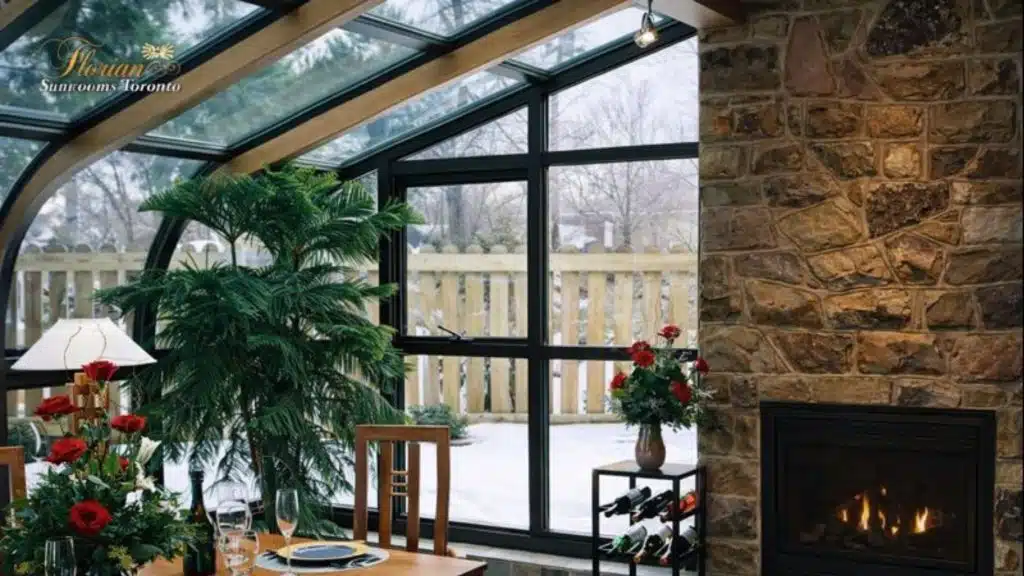
A sunroom or solarium is not just an addition to your home. It is a space defined by light, comfort, and how well it adapts to your lifestyle across the seasons. While structure and layout matter, glass is the true decision maker. It determines how warm the space feels in winter, how usable it is in summer, how glare is managed throughout the day, and how energy efficient the room remains year after year.
Choosing the right glass is not about selecting the clearest option available. It is about understanding how different glass technologies interact with light, temperature, and climate. When done well, the result is a room that feels balanced, bright, and comfortable rather than overwhelming or unpredictable.
This guide explores how glass choices shape the everyday experience of a sunroom or solarium, and how homeowners can make informed decisions that support long term livability, performance, and value.
Why Glass Is the Most Important Design Decision You Will Make
Glass is not simply a window material. In sunrooms and solariums, it becomes the primary surface that regulates comfort. Every ray of sunlight, every temperature shift, and every seasonal change passes through it first.
The right glass supports comfort without constant adjustments. The wrong glass can lead to excessive heat, glare, or cold drafts that limit how often the space is used. This is why early sunroom design considerations should always include how the glass will perform, not just how it will look.
When homeowners focus only on visual clarity, they often overlook factors such as insulation, solar control, and long term durability. High quality glazing transforms a sunroom from a seasonal novelty into a space that feels intentional and livable throughout the year.
What that means in real life: if you love the idea of morning coffee in January, or a calm evening read in July, the glass has to do more than show you the view. It has to moderate the experience. Great glazing makes the space feel steady. It reduces the sense that you are sitting inside a weather event.
According to the U.S. Department of Energy, window and glazing choices directly affect heat flow, comfort, and cooling demand, especially in spaces with large glass surfaces like sunrooms and solariums.
Understanding Sunroom Glass Features and Benefits
Not all glass is created equal. Modern sunroom glazing options are engineered to perform in ways traditional glass cannot. Understanding these features helps homeowners choose solutions that align with how they plan to use the space.
Low emissivity coatings help regulate temperature by reflecting heat back into the room during winter and deflecting excess solar gain in summer. Multi pane configurations improve insulation and reduce heat transfer. Tinted or reflective glass helps manage brightness without blocking natural light entirely.
These features work together to create a more stable interior environment. Instead of reacting to the weather, the room remains comfortable as conditions change. This is especially important in Canadian climates where seasonal extremes are part of everyday life.
When evaluating sunroom glass options, performance should always come before appearance. A beautiful view loses its appeal if the space feels uncomfortable.
A useful way to think about it: glass has a job description. It should help you keep warmth when you want warmth. It should help you stay cool when the sun is intense. It should reduce glare without making the room feel dim. If you are comparing glass for sunrooms, ask what each option does to support comfort, not just what it looks like on day one.
Performance labels such as U factor, solar heat gain coefficient, and visible transmittance are standardized by the National Fenestration Rating Council to help homeowners compare glazing performance across products.
Solarium Glass That Works With Light, Not Against It
Solariums are designed to invite maximum daylight into the home. This makes glass selection even more critical. Too much transparency without control can lead to harsh glare, overheating, or rapid heat loss.
High performance solarium glass balances openness with protection. It allows light to enter while filtering the intensity that causes discomfort. Advanced coatings can soften brightness while maintaining clarity, helping the space feel calm rather than exposed.
This balance is especially important when evaluating solarium construction features. Roof glazing, wall panels, and orientation all influence how sunlight moves through the space. Choosing glass that responds intelligently to these variables ensures the solarium remains usable throughout the day rather than only at specific hours.
Extra planning insight: roof glass is often where homeowners feel the biggest difference. Overhead sun can be beautiful, but it is also direct and persistent. When the right glazing is used, the light still feels generous, just less aggressive. The room keeps its brightness while losing that sharp edge that makes people reach for blinds.
Research from Lawrence Berkeley National Laboratory shows that Low emissivity coatings significantly reduce unwanted heat transfer while maintaining visible light, improving comfort in highly glazed spaces.
Climate Suitability and Durability That Supports Year Round Use
Canadian weather demands glass that performs under pressure. Cold winters, hot summers, and shifting temperatures place constant stress on materials. Choosing glass that is climate appropriate is not optional. It is essential.
High quality sunroom glazing is designed to resist condensation, reduce thermal expansion, and maintain structural integrity over time. These qualities protect not only comfort but also the longevity of the entire structure.
Climate aware glass selection supports energy efficiency at home by reducing the load placed on heating and cooling systems. A well glazed sunroom helps regulate indoor temperatures naturally, contributing to lower energy use and improved comfort across the home.
Durability also means fewer maintenance concerns and better long term value. Glass that performs consistently over decades supports both peace of mind and resale appeal.
A note on condensation: many homeowners assume condensation is only about humidity. In reality, it is often a temperature story. Better insulation and better seals reduce cold surfaces where moisture collects. That is one reason high performance sunroom glazing is about comfort and clarity, not just efficiency.
Government energy guidance explains how higher performing window and glazing systems reduce heat loss, condensation risk, and discomfort in cold climates.
Managing Light Without Sacrificing Openness
Natural light is one of the primary reasons homeowners invest in sunrooms and solariums. However, unmanaged light can quickly become overwhelming. Glare on screens, fading furniture, and excessive heat are common complaints when glass selection is rushed.
Modern glazing solutions allow for effective natural light management without compromising openness. Selective coatings, tint levels, and layered glass systems help diffuse sunlight while preserving brightness.
The goal is not to darken the space but to soften it. When light feels even and comfortable, the room becomes a place for everyday living rather than occasional use. When the light is controlled well, you do not feel like you are constantly negotiating with the space.
Practical examples: if the sunroom faces west, late afternoon glare can be intense. If it faces south, the solar gain can build gradually and peak when you want the room to feel restful. Glass selection can be tailored to those realities so the room feels naturally balanced, instead of relying on after the fact fixes.
The U.S. Department of Energy notes that spectrally selective glazing can reduce solar heat gain while still allowing high levels of visible light, making it especially valuable in sun-exposed rooms.
Comfort Is Also About Sound, Privacy, and Daily Ease
Glass influences more than temperature and brightness. It also affects how quiet the room feels, how private it feels in the evening, and how easily the space supports everyday routines.
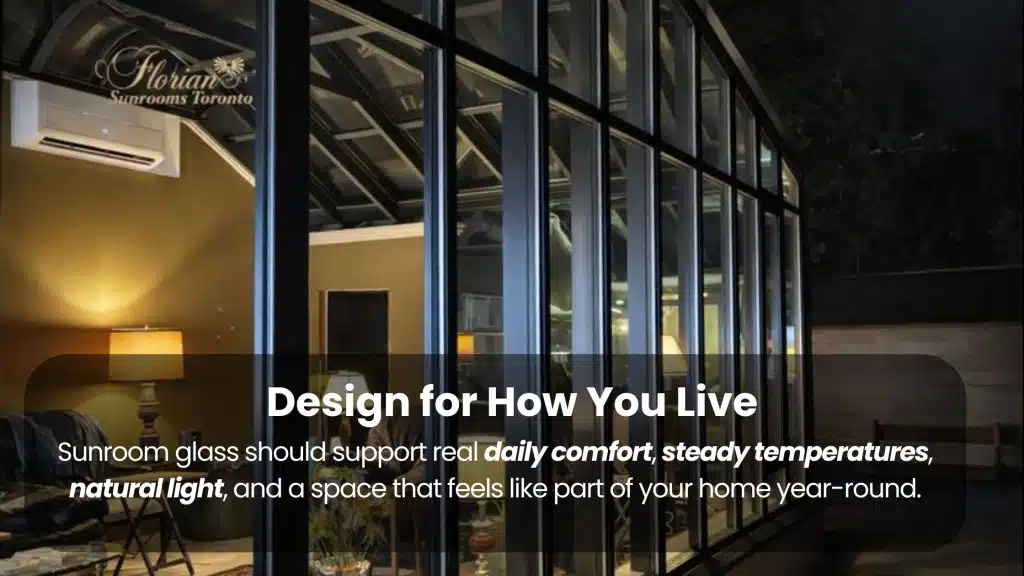
Multi pane sunroom glazing can reduce outside noise, which matters more than people expect, especially near roads or active neighborhoods. Certain glass options can also reduce night time reflectivity, helping the room feel less like a mirror after sunset.
Privacy is another subtle factor. If your room is highly transparent, interior lights at night can make the space feel exposed. Thoughtful glazing choices can reduce that effect while still keeping the room visually open during the day.
This is part of why Florian approaches glass selection as a comfort decision first. The goal is a space that feels easy to live in, not a space that looks perfect only under certain conditions.
Customization That Reflects How You Actually Live
Every home and homeowner is different. Glass choices should reflect how the space will be used, not a generic standard. This is where customization becomes essential.
Glass thickness, coatings, tinting, and placement can all be adjusted to suit lifestyle needs. A sunroom used as a quiet retreat may benefit from softer light control. A solarium designed for plants may prioritize clarity and solar transmission. Family spaces often require a balance of durability and comfort.
Opting for custom sunroom solutions allow homeowners to align performance with purpose. Rather than adapting to the space, the space adapts to them. This approach ensures the room remains relevant as needs evolve over time.
A helpful mindset: start by naming the moments you want. Quiet mornings, family dinners, a bright workspace, a plant corner that thrives, or a year round lounge that stays comfortable. Then let those moments guide your glass for sunrooms decision making.
Technical guidance from the National Renewable Energy Laboratory emphasizes matching glazing choices to climate, orientation, and room use rather than selecting a single standard option.
Manufacturing and Design Origins That Matter More Than You Think
Where glass is manufactured and how it is designed has a direct impact on quality and performance. Precision engineering, material sourcing, and testing standards all influence how well the glass performs in real world conditions.
Design first manufacturers prioritize integration between glass and structure. This ensures proper sealing, alignment, and thermal performance across the entire system. Poorly matched components can undermine even high quality glass.
Understanding manufacturing and design origins helps homeowners make confident decisions. It shifts the focus from surface features to underlying quality. This is a key part of responsible home addition planning, where long term performance matters as much as immediate appeal.
Why this matters: the best glazing in the world cannot do its job if the system is not built to support it. The design, framing, sealing, and installation quality all contribute to whether the glass performs like it should.
ENERGY STAR product listings provide verified efficiency data for windows and glazing products based on standardized testing methods.
Sustainability and Environmental Considerations That Add Real Value
Sustainability in sunroom design goes beyond materials. It includes how efficiently the space operates over time and how it contributes to overall household energy use.
High performance glazing reduces reliance on artificial heating and cooling. This lowers energy consumption and supports a more environmentally responsible home. Long lasting materials also reduce the need for replacements, minimizing waste over time.
Some homeowners explore greenhouse glass options for plant focused spaces. While these options prioritize light transmission, they may lack the insulation required for living areas. Understanding these differences ensures sustainability choices align with actual use rather than assumptions.
ENERGY STAR research shows that higher insulating windows significantly reduce heat loss and improve comfort, particularly in cold climates and glass heavy additions.
Sustainable glass selection is about balance. Comfort, efficiency, and longevity work together to create spaces that feel good to live in and responsible to maintain.
Frequently Asked Questions and Planning Resources for Confident Decisions
Homeowners often ask whether more expensive glass is worth the investment. The answer depends on how the space is used and the climate it faces. In most cases, higher performance glass delivers greater comfort, lower energy costs, and longer usability.
Others wonder if glass alone can solve temperature issues. While glazing plays a major role, orientation, ventilation, and structure also matter. This is why professional sunroom consultation is invaluable. It ensures every element works together rather than in isolation.
Planning resources and expert guidance help homeowners avoid common pitfalls. They provide clarity around timelines, budgets, and design possibilities, allowing decisions to feel informed rather than overwhelming.
A Quick Checklist Before You Commit to a Glass Package
If you are comparing sunroom glazing options and want a simple way to pressure test your decision, use this checklist.
First, define how you want the space to feel in each season. Not how it should look, but how you want it to behave. Comfortable mornings in winter, stable afternoons in summer, and minimal temperature swings in spring and fall.
Second, consider orientation and daily sunlight patterns. Brightness and heat are not evenly distributed across the day. Glass choices should match the hours you will actually use the room.
Third, consider how the space connects to the rest of the home. If the sunroom shares a wall with interior living areas, glazing choices can affect comfort beyond the addition itself.
Finally, do not treat glass selection as an upgrade decision. Treat it as a livability decision. Sunroom glass options determine whether your addition feels effortless or demanding.
A Space That Feels Right in Every Season
Choosing glass for a sunroom or solarium is not about chasing trends or maximizing transparency. It is about creating a space that feels comfortable, balanced, and inviting no matter the time of year.
When glass selection is approached with care, the result is a room that supports daily life rather than disrupting it. Light feels natural, temperatures remain steady, and the space becomes an extension of the home rather than a seasonal add on.
Florian approaches glass selection as a design decision grounded in climate awareness, performance, and livability. By focusing on how glass behaves rather than how it appears alone, homeowners can invest in spaces that deliver lasting enjoyment and value.
The right glass does more than let light in. It shapes how the space feels, functions, and endures for years to come.